
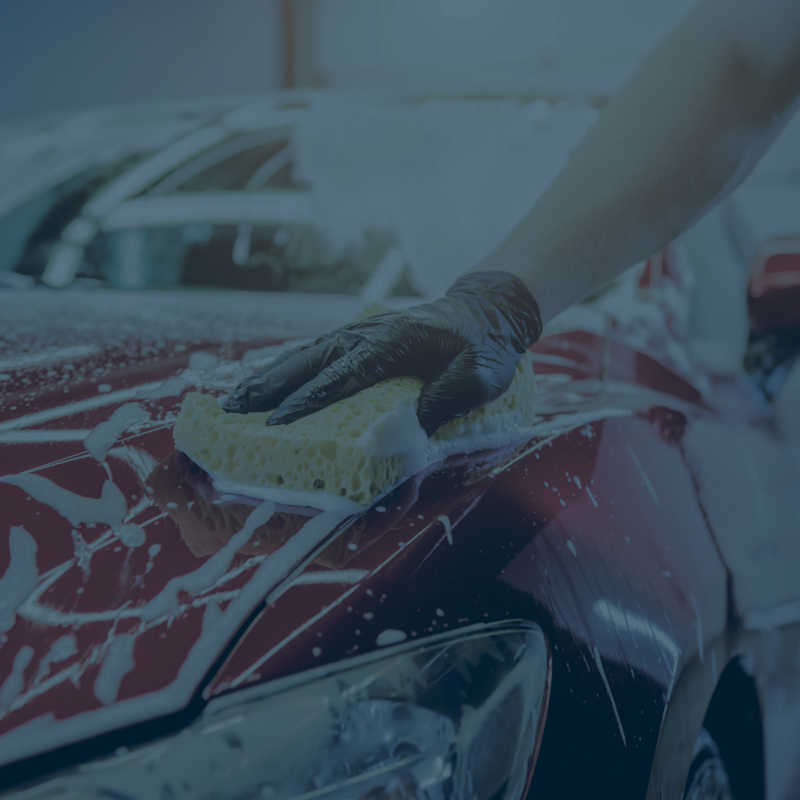
A Vehicle Valetor cleans, prepares and presents cars, vans or other vehicles so they are ready for sale, customer handover, return after repair or use elsewhere within an automotive business. The role involves much more than simply washing cars. Professional Valetors are trusted with customer and stock vehicles, specialist cleaning products, vehicle keys and the final presentation standard seen by the customer.
Vehicle Valetors work across main dealerships, independent garages, accident repair centres, commercial vehicle businesses, leasing and rental operations and specialist automotive companies.
TL;DR
Vehicle Valeting is a practical automotive role focused on vehicle preparation, presentation and care. Employers value attention to detail, reliability, safe product use and the ability to work efficiently across several vehicles. Perfect Placement vacancy data from January 2025 to June 2026 shows an average basic salary of approximately £29,610 across relevant Valeter vacancies.
Key Takeaways
- Valeting is about presentation as well as cleaning. Vehicles may need to be prepared for sale, handover, workshop collection or return to a customer.
- Attention to detail and pace both matter. Employers need consistently good results without vehicles becoming delayed in the preparation process.
- Average basic salary was approximately £29,610 across relevant Perfect Placement Valeter vacancies from January 2025 to June 2026.
- Bonus is relatively uncommon. Most vacancies in our dataset were predominantly basic-salary-led.
- A full UK driving licence is commonly requested because Valetors frequently need to move vehicles around forecourts, workshops or preparation areas.
What Does a Vehicle Valetor Do?
A Vehicle Valetor prepares vehicles to an agreed presentation standard using specialist cleaning equipment, products and a structured preparation process. The exact standard depends on why the vehicle is being prepared.
A used car awaiting display on a dealership forecourt may need a complete interior and exterior valet. A vehicle leaving an accident repair centre may need to be cleaned after repair before being returned to its owner. A service department may want customer vehicles washed and vacuumed before collection.
Typical duties can include:
- washing vehicle exteriors and cleaning wheels
- vacuuming carpets, seats and luggage areas
- cleaning interior plastics, trim and glass
- removing marks, dirt and light contamination
- using pressure washers, vacuums, steam cleaners or polishing equipment where trained
- applying approved cleaning, protective or finishing products
- preparing vehicles for customer handover or display
- moving vehicles safely around the site
- managing or signing for vehicle keys
- reporting damage or presentation issues noticed during preparation
- keeping valeting bays, equipment and work areas organised.
Does the Job Change Between Dealerships and Bodyshops?
Yes. The core cleaning skills are similar, but what the business needs from its Valeter can be quite different.
In a dealership, the work may include preparing new and used stock, cleaning customer vehicles after servicing and getting sold cars ready for handover. Presentation standards are particularly important because the vehicle may be minutes away from being seen by its new owner.
In an accident repair centre, Valetors commonly prepare vehicles after body or paint repairs. That means working around recently completed repair work and ensuring the vehicle is returned to the customer clean and presentable without damaging fresh finishes.
Commercial dealerships, rental companies and independent garages can have their own priorities, including larger vehicles, higher daily volumes or a greater amount of vehicle movement.
You can see the range of employers currently recruiting through our Valetor Jobs page.
What Is the Difference Between a Valetor and a Detailer?
The titles can overlap, but detailing generally involves more intensive cosmetic preparation than routine vehicle valeting. A Valetor may concentrate on cleaning and preparing vehicles efficiently for everyday business use, while a Vehicle Detailer can spend longer correcting paintwork, applying specialist protection or achieving a more intensive cosmetic finish.
Some employers use the terms interchangeably, so candidates should always read the duties rather than assuming the title defines the exact level of work.
Using Cleaning Products and Equipment Safely
Professional valeting involves chemicals and powered equipment, so safe product use is part of the job. Cleaning and degreasing products can irritate the skin and eyes or create vapour and mist that should not be inhaled.
HSE guidance for vehicle valeting recommends good ventilation when products are used inside vehicles, suitable protective clothing and eye or hand protection where required, and regular checks of electrical pressure-washing equipment.
Valetors should follow the employer's product instructions and COSHH controls rather than mixing chemicals, using unapproved products or assuming that every cleaner can be used on every vehicle surface.
Skills, Experience and Getting Into Vehicle Valeting
You do not normally need a specific formal qualification to become a Vehicle Valetor, although previous professional valeting, detailing or automotive experience can make you more attractive to employers.
Businesses are usually interested in whether you can produce consistent work, look after vehicles responsibly and work effectively as part of a wider preparation, sales, service or bodyshop team.
What Skills Do Employers Look For?
Useful skills include:
- Attention to detail: spotting dirt, marks or missed areas before the vehicle reaches the customer.
- Time management: preparing vehicles properly without disrupting handover, workshop or sales schedules.
- Product knowledge: understanding which products and equipment are appropriate for different materials and finishes.
- Vehicle care: treating customer and stock vehicles carefully while cleaning or moving them.
- Organisation: managing keys, equipment and several vehicles during a working day.
- Communication: working with Sales Executives, Service Advisors, Technicians, bodyshop staff and managers.
- Reliability: recognising that other departments may be waiting for your work before a vehicle can move to the next stage.
Do You Need a Driving Licence?
A full UK driving licence is commonly requested because Valetors frequently move vehicles around dealership, workshop or preparation sites. Some businesses may set their own requirements regarding licence endorsements because employees are driving company or customer vehicles.
If driving forms a significant part of the role, check the vacancy carefully. Some Valeter positions are combined with collection, delivery or site-driving duties, which can make the driving element much more substantial.
Can You Start Without Automotive Experience?
Yes, particularly in entry-level positions where the employer can train you in its products and preparation standards. Experience from professional cleaning, vehicle preparation or other practical jobs can also transfer well.
However, experience becomes more valuable when the job involves machine polishing, specialist protection products, high-value vehicles or more advanced detailing work.
Vehicle Valetor Salary, Hours and Working Environment
Across the Valeter vacancies handled by Perfect Placement between January 2025 and June 2026, the average advertised basic salary was approximately £29,610, with average advertised OTE of around £29,970.
£29,610
Average Basic Salary
£29,970
Average OTE
£24,000-£40,000
Basic Salary Range
£2,220
Average Bonus Where Offered
The dataset includes Valeter and Valetor-equivalent positions across main dealerships, accident repair businesses, commercial dealerships, independent garages and other automotive employers.
Perfect Placement Market Insight
Vehicle Valeting is primarily a basic-salary-led role. Not many of the advertised roles included a separate bonus amount, and average advertised OTE was only slightly higher than average basic pay.
Salary can vary because the title covers different levels of responsibility. An experienced Valeter handling premium vehicles, machine polishing or broader detailing work may not be directly comparable with an entry-level dealership preparation role.
When comparing vacancies, look at the required standard of preparation, working hours, driving responsibilities and whether the role includes more specialist detailing work.
You can compare wider automotive salaries through our Automotive Salary Insights hub.
Hours and Working Patterns
Full-time Vehicle Valetor roles commonly follow the operating hours of the dealership, bodyshop or preparation centre. Some businesses offer Monday-to-Friday schedules, while others require Saturday work, rota weekends or longer days depending on vehicle volumes.
Current Perfect Placement vacancies demonstrate that there is no single standard rota. Candidates should therefore compare total weekly hours alongside salary rather than looking only at the annual figure.
What Is the Working Environment Like?
Valeting is physically active work and can involve spending substantial time standing, bending, reaching and working around wet vehicles. Some work may be completed outdoors or in partially open preparation areas, so the environment can change with the weather.
Good businesses provide suitable cleaning areas, equipment and protective measures. Candidates should expect to follow site procedures covering chemicals, pressure washers, electrical equipment, vehicle movement and safe storage of keys.
Career Progression and Future Opportunities
Vehicle Valeting can lead into more specialist vehicle preparation roles or provide an entry point into the wider automotive industry. The strongest progression opportunities usually come from adding new skills rather than simply spending more time in the same duties.
Possible routes include:
- Senior Valetor: taking responsibility for more demanding vehicles or supporting junior colleagues.
- Vehicle Detailer: developing deeper skills in machine polishing, paint correction and specialist protection products.
- Preparation or Valeting Supervisor: organising workflow, standards and staff across a preparation operation.
- Vehicle movement or logistics roles: particularly where the job already includes collection, delivery or site-driving responsibilities.
- Other dealership positions: some people move into sales, service or other customer-facing automotive roles after building wider business experience.
Is Valeting a Good First Job in the Motor Trade?
It can be. A Valeter sees how vehicles move through sales, service and preparation processes and works alongside several dealership or workshop departments.
That exposure can be useful if you are still deciding where you want your automotive career to go. It is not an automatic route into Sales Executive, Service Advisor or Technician work, but reliable employees who learn how the wider business operates can build useful experience and internal contacts.
Browse our wider automotive vacancies if you want to compare valeting with other entry-level and experienced motor trade opportunities.
Vehicle Valetor Interview Questions and FAQs
What Might You Be Asked at Interview?
Valeter interviews normally focus on the standard of your work, your reliability and how confidently you can handle customer or stock vehicles. Be ready to discuss:
- your previous professional valeting or detailing experience
- the equipment and cleaning products you have used
- how you avoid damaging paint, trim and interior materials
- how you manage several vehicles when deadlines overlap
- whether you have used machine polishers or specialist protection products
- how you would report damage discovered while cleaning a vehicle
- your driving licence and experience moving different types of vehicle.
If you have photographs or examples of specialist detailing work, these can also help demonstrate the standard you are capable of achieving.
Frequently Asked Questions
How much does a Vehicle Valetor earn?
Perfect Placement vacancy data from January 2025 to June 2026 shows an average basic salary of approximately £29,610 across 37 relevant non-zero Valeter vacancies. Advertised basic salaries ranged from around £24,000 to £40,000.
Do I need experience to become a Vehicle Valetor?
Not for every position. Some employers provide training, while more specialist jobs may require previous professional valeting, detailing or machine-polishing experience.
Do Vehicle Valetors need a driving licence?
A full UK driving licence is commonly requested because the role often involves moving customer and stock vehicles around a site.
Is a Vehicle Valetor the same as a Vehicle Detailer?
Not always. The titles can overlap, but detailing often involves deeper cosmetic preparation such as paint correction and specialist protection. Always compare the actual duties.
Do Vehicle Valetors work weekends?
Some do and some do not. Working patterns depend on the employer, with both weekday-only and rota-based roles appearing in the market.
Find Vehicle Valetor Jobs Near You
Perfect Placement recruits Vehicle Valetors and other automotive professionals for dealerships, repair centres and specialist businesses across the UK. Search current opportunities or upload your CV to speak to our automotive recruitment team.

About the Author
Ashley Camies
As Marketing & Automation Manager at Perfect Placement, Ashley Camies has 14 years of automotive recruitment experience. Since 2011, she has supported motor trade employers and candidates across the UK, using first-hand recruitment data and experience to produce practical guidance on automotive careers, salaries and hiring trends.