
EV Technician Training UK 2026: Your Guide to Electric Vehicle Courses
To become an EV technician in the UK, you need accredited training, typically IMI Level 2 or Level 3 qualifications. These qualifications, set by the Institute of the Motor Industry (IMI), cover the safety, diagnostics, and repair skills required to work on high-voltage systems.
If you are already working in the motor trade, EV training is quickly becoming part of the day-to-day job. More hybrid and electric vehicles are entering workshops every year, and without the right qualifications, technicians cannot work on them safely or legally under IMI TechSafe standards.
In short: if you want to stay relevant in the industry, EV training is no longer optional.
The shift to electric vehicles is not coming. It is already here.
Key Takeaways
- You need IMI Level 2 or Level 3 qualifications to work on electric vehicles
- Most EV training courses are completed in just a few days
- Demand for EV-qualified technicians is increasing across the UK
- Hands-on training and proper accreditation matter more than anything else
Who This Guide Is For
- Existing technicians looking to upskill and work on modern vehicles
- People entering the motor trade who want to specialise in EV technology
- Employers and workshop managers trying to understand EV training requirements
Why EV Technician Training Matters
The move to electric vehicles has created a clear skills gap across the motor trade. Many technicians are experienced with traditional systems but are not qualified to work on electric or hybrid vehicles.
This is not just about progression. It is about safety. High-voltage systems can be dangerous without proper training, and technicians must be certified before working on them.
From a recruitment perspective, EV qualifications are increasingly requested by both dealerships and independent workshops. As electric vehicles become more common, employers are actively looking for technicians who are already trained.
The UK government’s Zero Emission Vehicle mandate requires 80% of new car sales to be zero emission by 2030. This is one of the key reasons demand for EV-qualified technicians is increasing across the motor trade.
Technicians with EV qualifications are not just more employable. They are becoming essential.
Demand for EV-qualified technicians is increasing as electric vehicle adoption grows across the UK. According to the Institute of the Motor Industry (IMI), this is creating a widening skills gap across the sector. Currently, only around 20% of vehicle technicians are trained to work on electric vehicles, despite the number of EVs on the road continuing to rise. In simple terms, there are not enough qualified technicians to meet demand.
In simple terms, demand for EV skills is moving faster than the number of technicians being trained.
What Qualifications Do You Need?
You need IMI Level 2 or Level 3 EV qualifications to work on electric vehicles in the UK.
- Level 2: Covers safe working practices and basic system knowledge
- Level 3: Covers diagnostics, repair, and more advanced system work
These are the qualifications most employers expect to see, and they are often required for insurance and compliance purposes.
EV Training Course Options in the UK
There are several ways to gain EV qualifications, depending on your experience and availability.
Short Courses
Most IMI Level 2 and Level 3 courses are delivered as intensive programmes lasting 1 to 3 days.
Combined Courses
Some providers offer combined Level 2 to Level 3 training, typically completed over 2 to 5 days.
Apprenticeships
Apprenticeships usually take 2 to 3 years and combine on-the-job learning with formal qualifications.
One common misconception is that EV training takes months to complete. In reality, most working technicians complete their initial qualifications in a matter of days and build on them over time.
Costs typically range from £500 for basic safety courses to £1,000–£3,000 for more advanced Level 3 training, depending on the provider and level of practical experience included.
In practice, most technicians complete EV training alongside their current job. Short, intensive courses are designed specifically for working professionals, which is why they are the most common route into EV qualification.
Where Can You Train as an EV Technician
EV training is available across the UK through accredited providers.
- IMI-approved training centres
- Further education colleges
- City & Guilds providers
- Manufacturer training programmes
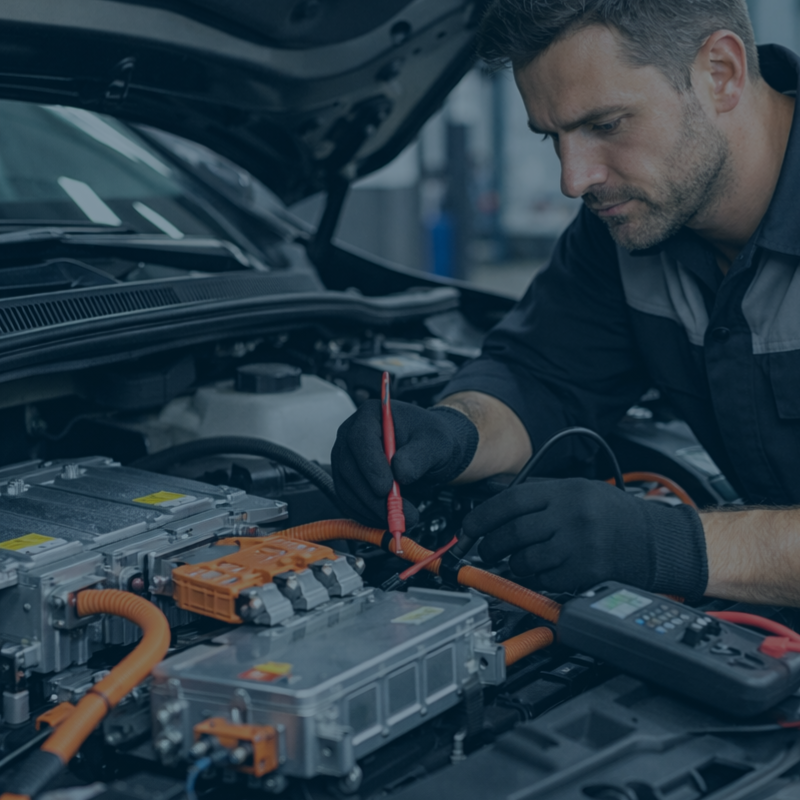
The most important factor is hands-on experience. The best courses use real vehicles and modern diagnostic equipment.
EV training is quickly becoming part of the baseline skill set, not a specialist extra.
How to Find an EV Training Provider in the UK
If you are looking for EV technician training, start with accredited providers to ensure your qualification is recognised.
Check the IMI directory
Use the IMI training directory to find approved centres across the UK.
Look at local colleges
Many further education colleges offer EV courses with flexible options.
Ask your employer
Dealerships and workshops often have preferred providers and may fund training.
Compare course content
Focus on hands-on experience and modern equipment, not just price.
Tip: If a course is not IMI-accredited, it may not be recognised by employers or insurers.
Career Opportunities for EV Technicians
EV-qualified technicians are in demand across the motor trade.
- Main dealerships expanding EV ranges
- Independent workshops adapting to new demand
- Fleet and specialist EV service providers
EV-qualified technicians can earn £2,000 to £6,000 more annually than those without EV training, depending on experience and location.
We speak to technicians and employers across the UK every day, and EV training is one of the most common topics in conversations about career progression right now. In many cases, employers are no longer waiting for fully qualified EV technicians. They are hiring strong candidates and supporting their training after they join.
For many employers, EV qualifications are no longer a bonus. They are becoming a requirement.
FAQs
What qualifications do I need to work on electric cars?
You need IMI Level 2 or Level 3 qualifications in Electric/Hybrid Vehicle System Repair and Maintenance to work safely and legally on electric vehicles in the UK.
How long does EV training take?
Most EV training courses take between 1 and 5 days, depending on the level and provider. Apprenticeships take longer, typically 2 to 3 years.
Are there EV technician apprenticeships?
Yes. Apprenticeships combine workplace experience with formal qualifications and usually last 2 to 3 years.
Do I need experience before starting EV training?
No, but existing technicians usually find it easier due to their background in automotive systems.
Is EV training worth it?
Yes. EV qualifications are increasingly required across the motor trade, and demand for qualified technicians continues to grow.
Sources
This guide is based on current UK training standards and industry requirements, including:
- Institute of the Motor Industry (IMI) – EV qualifications
- IMI TechSafe standards
- UK Government Zero Emission Vehicle mandate
Additional insights are based on Perfect Placement’s experience working with automotive employers and candidates across the UK.
Thinking About Your Next Move?
The shortage of EV-qualified technicians is not a future problem. It is already affecting hiring decisions today.
If you are already in the motor trade, EV training is one of the fastest ways to increase your opportunities.
If you are just starting out, understanding the qualification routes early will help you make better decisions about where to train and what roles to target.
We work with employers across the UK who are actively looking for technicians they can develop, including businesses willing to support EV training as part of the role.
If you are thinking about EV training or your next move, we can give you a clear picture of what employers are actually doing right now and where the real opportunities are in the current market.

About the Author
Ashley Camies
As Marketing & Automation Manager at Perfect Placement, Ashley Camies has 14 years of automotive recruitment experience. Since 2011, she has supported motor trade employers and candidates across the UK. She specialises in strengthening recruitment processes and candidate engagement, providing informed commentary on hiring trends and talent market strategy based on over a decade of sector insight.